The short answer
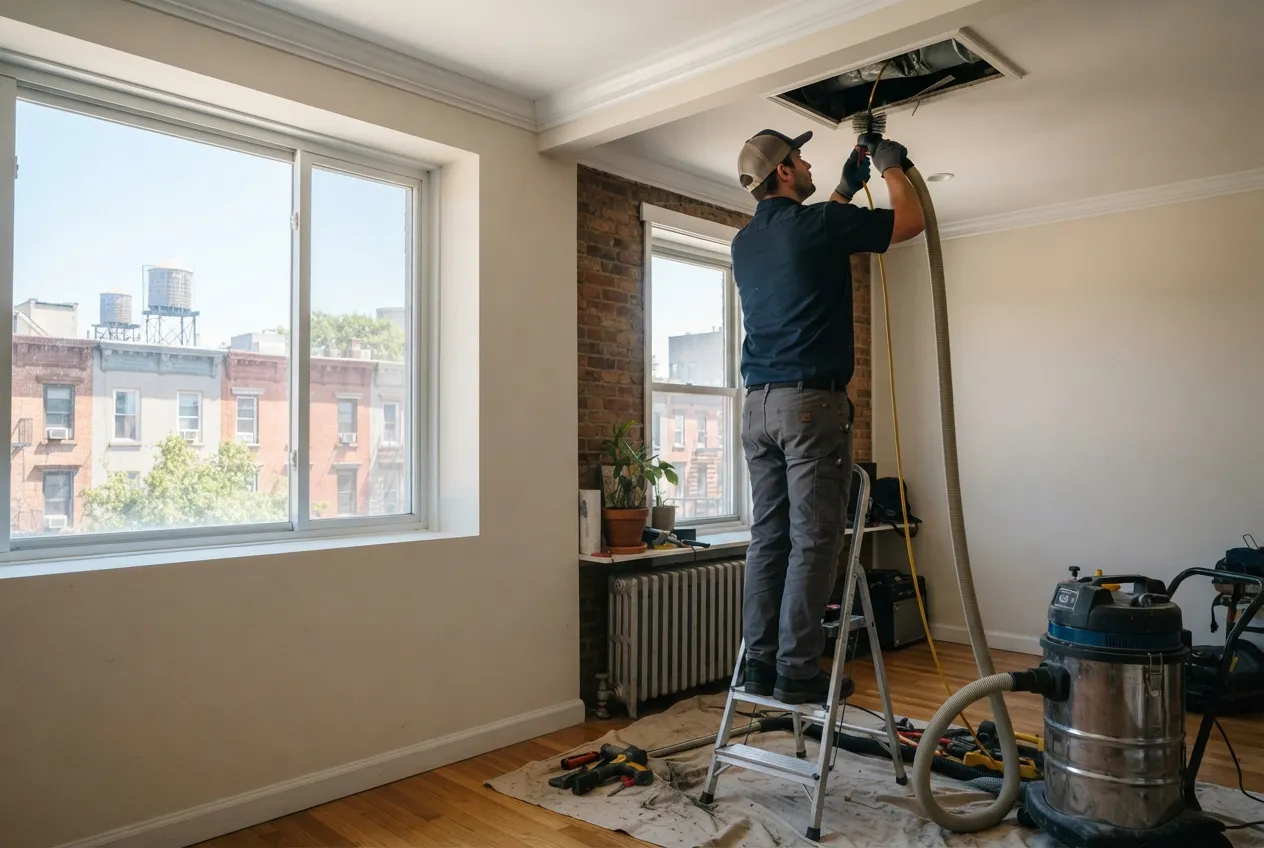
NYC FreshAir Solutions serves all of Little Italy (ZIP 10012) from our office at 110 Prince St. Our certified technicians clean and repair air ducts, dryer vents, exhaust fans and chimneys in the neighborhood's pre-war apartment buildings, rowhouses and mixed-use buildings.
NYC FreshAir Solutions works out of our office at 110 Prince St, so Little Italy is home ground for our crews. We clean and repair air ducts, dryer vents, exhaust fans and chimneys for homes and businesses across ZIP code 10012 and the nearby Lower Manhattan neighborhoods. Most buildings here are older, built close together and in constant use, so their ventilation systems collect dust, lint, grease and soot faster than many people expect. Our certified technicians look at what your building actually needs, explain what they find, and leave your space as clean as they found it.
What We See in Little Italy Buildings
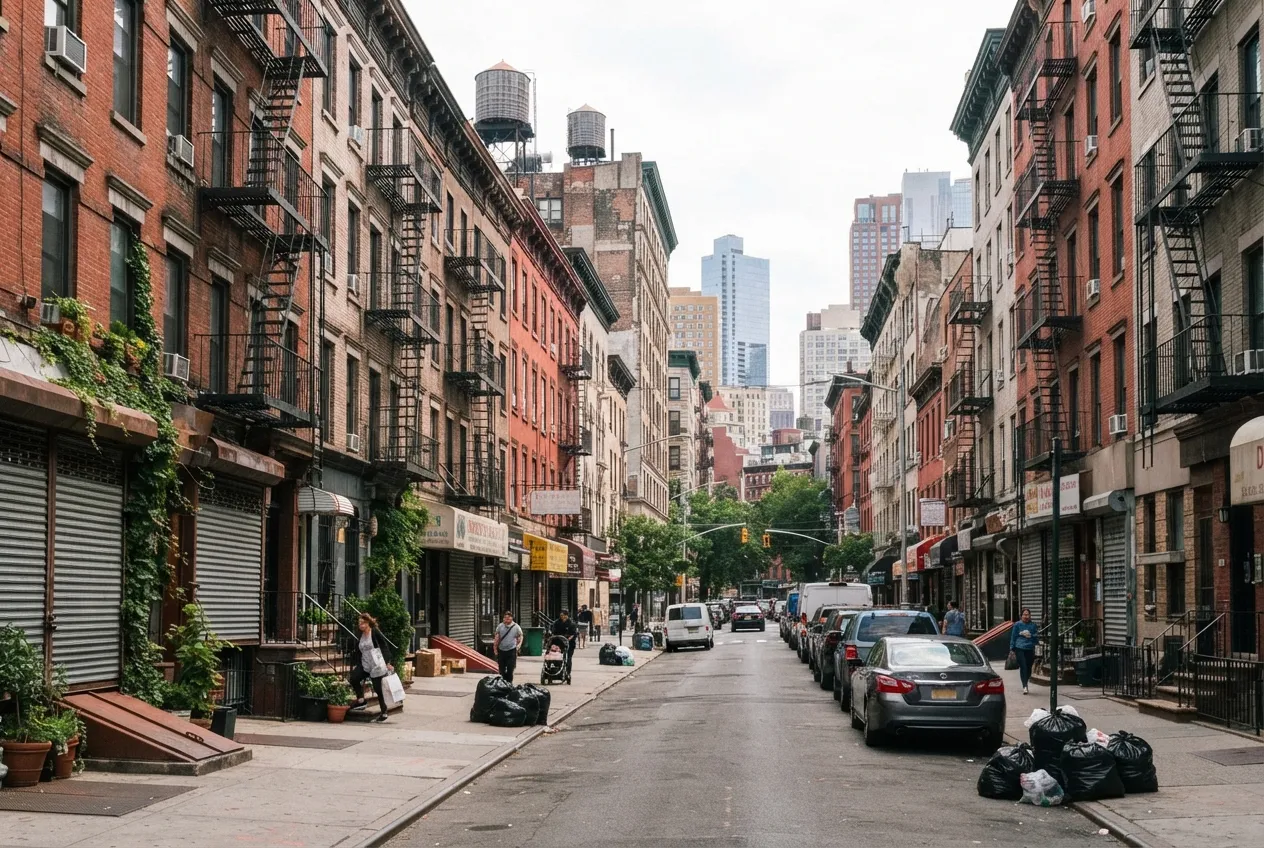
Little Italy's housing is mostly pre-war apartment buildings, many of them walk-ups. There are also some rowhouses and mixed-use buildings with shops or restaurants at street level and apartments above. These buildings went up long before central air, so ductwork was usually added later. It often runs through tight chases, dropped ceilings and closets.
That history shapes the work. Duct runs tend to have many turns and patched joints that leak air. Dryer vents in apartments often travel a long way to reach an exterior wall or shaft. Older masonry chimneys may serve a boiler, a fireplace or both, and some have been altered more than once over the decades.
How the Seasons Affect Your Systems
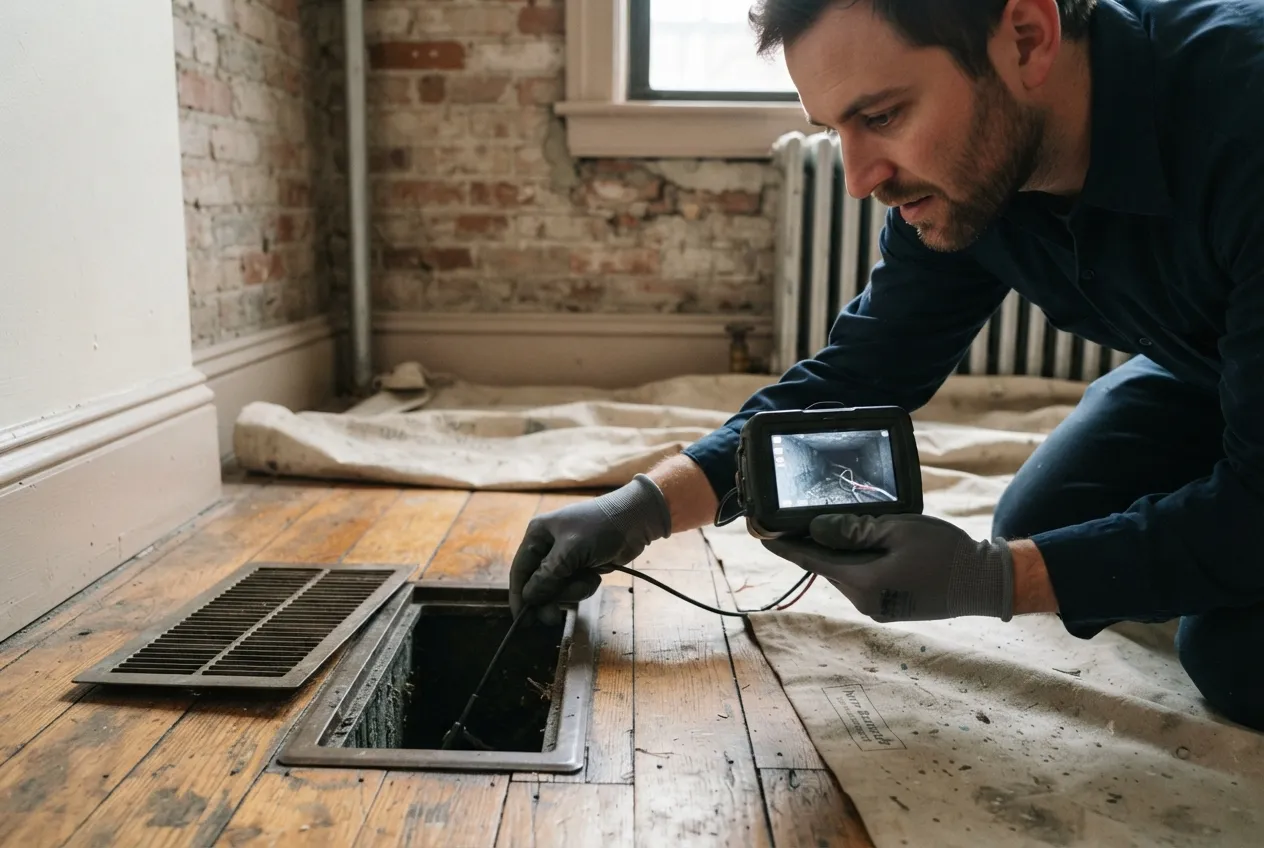
New York City's heat season runs from October 1 through May 31. During that time, building owners must keep apartments at the city's minimum temperatures. For eight months, boilers, furnaces and the chimneys that vent them work steadily. Late summer and early fall are the best times to have a chimney inspected and swept and to check that ducts are moving air freely.
Summers here are hot and humid, and air conditioning runs hard. When cool air moves through warm, damp spaces, condensation can form inside ducts and around air handlers. That is where we most often find musty odors and mold growth. Dust from street traffic and construction also gets into older buildings through gaps and returns.
Services Available in Little Italy
Every service below is available throughout ZIP code 10012:
- Air Duct Cleaning: removing built-up dust and debris from supply and return lines.
- Dryer Vent Cleaning: clearing lint from the full vent run, not just the lint trap.
- HVAC System Cleaning: cleaning air handlers, coils, blower assemblies and drain pans.
- Duct Sanitizing & Odor Removal: treating mold and lingering odors after we find and clean the source.
- Chimney Sweep: removing soot and creosote from fireplace and appliance flues.
- Dryer Vent Repair & Rerouting: fixing crushed or disconnected vents and shortening overly long runs where possible.
- Air Duct Repair & Sealing: closing leaky joints and replacing damaged sections.
- Exhaust Fan Cleaning: cleaning bathroom, kitchen and commercial exhaust fans and their ducts.
- Chimney Inspection: Level 1, 2 or 3 inspections, depending on your situation.
- Commercial Duct Cleaning: ventilation cleaning for restaurants, shops and offices.
Ready for cleaner ducts?
Chimney Inspections and the Oil-to-Gas Switch
The NFPA 211 standard calls for chimneys, fireplaces and vents to be inspected once a year. There are three inspection levels. A Level 1 inspection covers a system that hasn't changed. A Level 2 inspection is needed when something changes, such as a new appliance or a switch in fuel, or when the home is sold. A Level 3 inspection is for cases where a hidden hazard can only be reached by opening part of the chimney or building.
Fuel switches come up often in Manhattan. When a building converts its boiler from oil to gas, the chimney has to be evaluated as part of the work. A new liner is often needed, because gas exhaust produces acidic condensate that can corrode an older masonry flue. We can inspect your chimney and explain what the conversion requires.
Dryer Vents and Duct Cleaning: What's Worth Doing
According to the U.S. Fire Administration, failure to clean is the leading factor contributing to clothes dryer fires in homes. In apartments where vents are long and hard to reach, lint builds up out of sight. Signs that it's time for a cleaning include longer drying times, a hot laundry area or a burning smell.
For air ducts, we follow the EPA's guidance. Cleaning makes sense when there is substantial visible mold growth, signs of vermin, or excessive dust and debris. The EPA also notes that duct cleaning has not been shown to prevent health problems, so we won't promise that it will. We inspect first and tell you plainly whether cleaning is needed. We only recommend chemical treatments when there's a clear reason for them. The EPA also suggests researching any company before responding to very cheap advertised offers, and we're happy to answer your questions.
Nearby Neighborhoods We Serve
Because our office is at 110 Prince St, we also work regularly in SoHo, Hudson Square, Tribeca, Civic Center and Greenwich Village. Many buildings in these neighborhoods are a lot like Little Italy's: older construction, systems added after the fact, and homes and businesses under one roof.
ZIP codes we serve
- 10012
Services in Little Italy
- Air Duct Cleaning in Little ItalyLocal service & repairs
- Dryer Vent Cleaning in Little ItalyLocal service & repairs
- HVAC System Cleaning in Little ItalyLocal service & repairs
- Duct Sanitizing & Odor Removal in Little ItalyLocal service & repairs
- Chimney Sweep in Little ItalyLocal service & repairs