The short answer
NYC FreshAir Solutions cleans air ducts, dryer vents, exhaust fans, HVAC systems and chimneys in Stuyvesant Town, about a mile from our Manhattan office. We serve apartment residents and the owners and managers of the buildings, and we tell you plainly what needs cleaning and what does not.
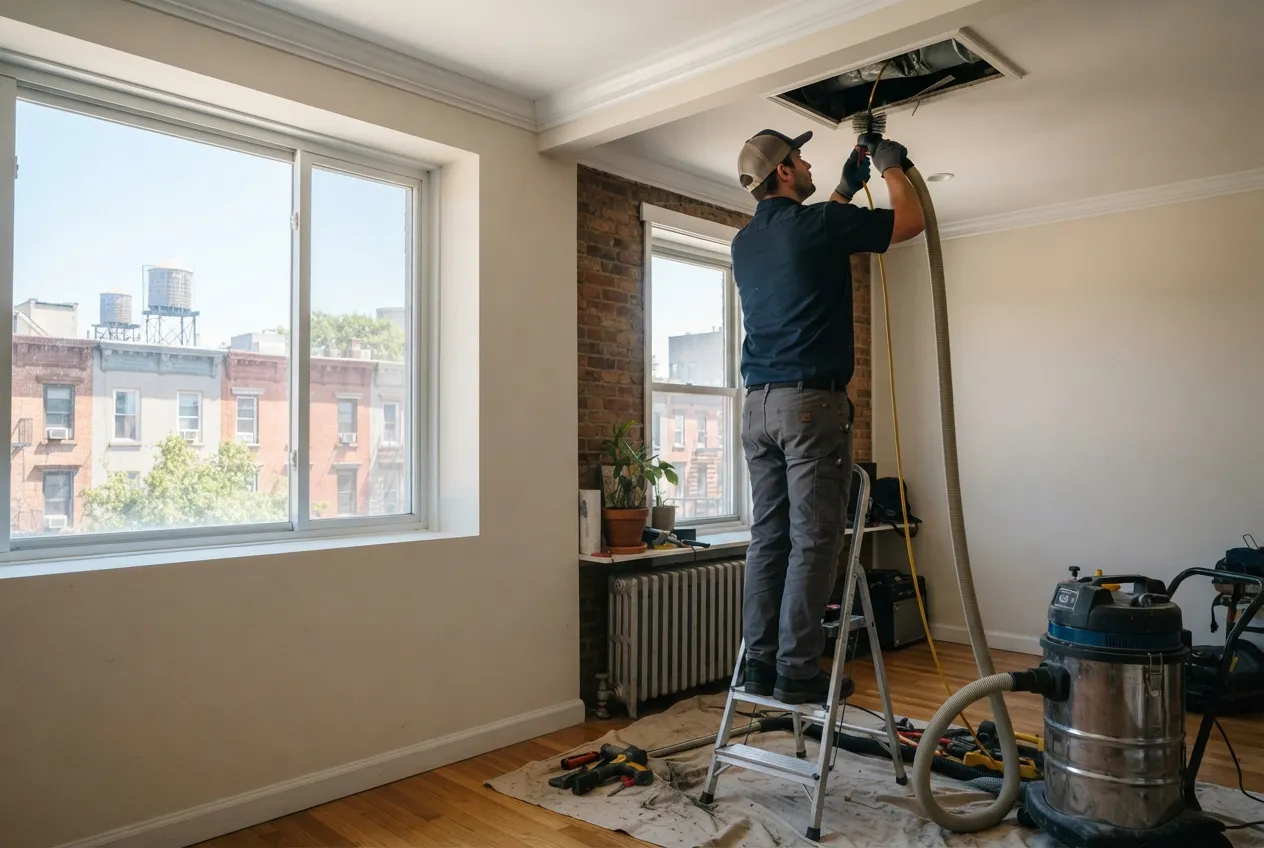
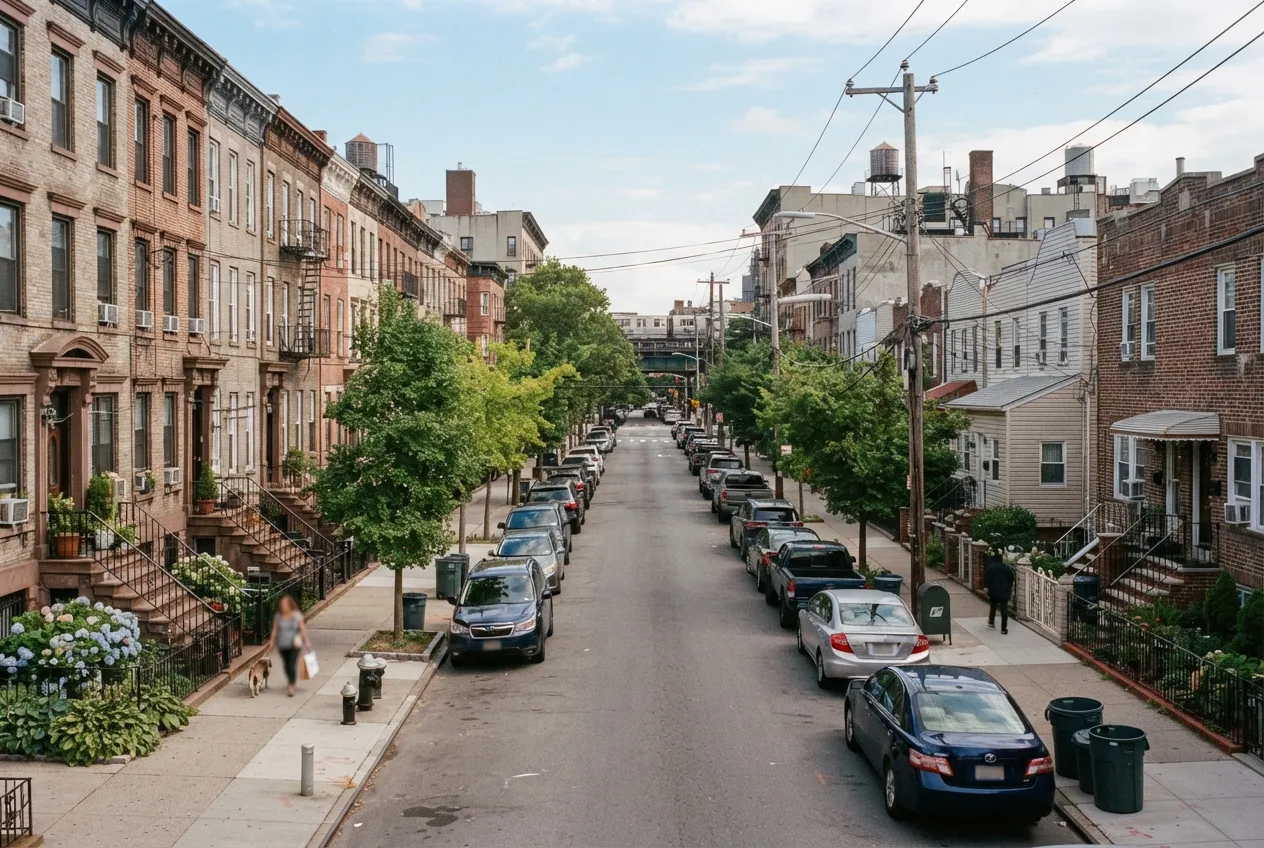
Stuyvesant Town is about a mile east of our Manhattan office, so our technicians reach the neighborhood quickly and know how its buildings work. Most residents live in large brick apartment buildings, where air moves through kitchen and bathroom exhaust fans, shared vertical shafts, and heating and cooling equipment. We clean air ducts, dryer vents, exhaust fans and HVAC components for apartment residents. For building owners and managers, we also handle duct work, chimney sweeping and chimney inspection. Our technicians are certified, and they explain what they find before any work begins.
How Ventilation Works in Stuyvesant Town Apartments
Apartment living changes what needs cleaning. Kitchen and bathroom exhaust fans pull grease, moisture and lint into grilles and fan housings that most people never open. Where a unit has a dryer, the vent run is often longer and tighter than in a house, so lint builds up faster. Heating and cooling units collect dust on coils and filters, especially when windows stay shut for months.
Before we start, we look at what your unit has and what belongs to the building. Shared shafts, risers and rooftop equipment are usually the building's responsibility. If a job needs approval from management or the super, we will tell you up front so you don't pay for work you can't legally authorize.
How New York's Seasons Affect Your Indoor Air
New York City's heat season runs from October 1 through May 31. During those months, building owners must keep apartments heated to the city's minimum temperatures. That means about eight months of heat, closed windows, and dust, cooking residue and pet hair moving around inside.
Summers here are humid. Air conditioners run hard, and moisture collects in ducts, drain pans and fan housings, where it can lead to musty odors or mold. For many residents, two checks a year work well. Clean exhaust fans and HVAC components in late summer, before the heat comes on. Look at cooling equipment again in spring.
Services We Offer in Stuyvesant Town
We tailor each visit to the space, whether that is a single apartment, a whole building, or a nearby townhouse or rowhouse.
- Air Duct Cleaning for ducted heating and cooling systems
- Dryer Vent Cleaning to clear lint from the dryer to the exterior termination
- Dryer Vent Repair & Rerouting for crushed, disconnected or overly long runs
- HVAC System Cleaning, including coils, blowers and drain pans
- Duct Sanitizing & Odor Removal when there is a documented odor or mold problem
- Air Duct Repair & Sealing for leaking joints and damaged sections
- Exhaust Fan Cleaning for kitchen and bathroom fans
- Chimney Sweep and Chimney Inspection for buildings and homes with chimneys or flues
- Commercial Duct Cleaning for ground-floor businesses and building common areas
Ready for cleaner ducts?
When Dryer Vent and Duct Cleaning Make Sense
Dryer vents are the clearest case. According to the U.S. Fire Administration, failure to clean is the leading factor in home clothes dryer fires. Warning signs include clothes that take longer to dry, a hot laundry area, or a burning smell. If you notice any of these, have the vent checked.
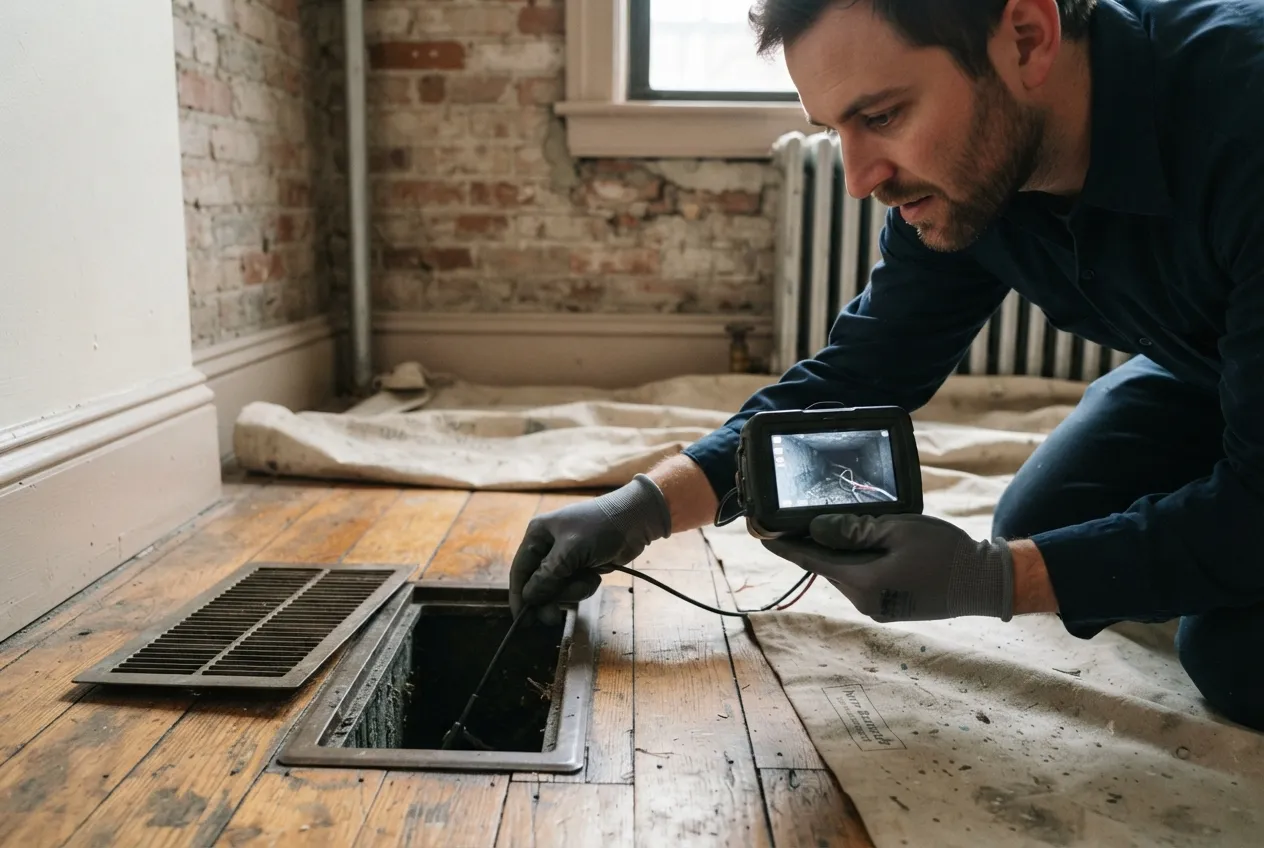
Air ducts are a different story. The U.S. EPA advises cleaning ducts when there is substantial visible mold growth, vermin, or excessive dust and debris. It also notes that duct cleaning has not been shown to prevent health problems. The EPA warns consumers to research the process before responding to very cheap advertised offers and to be careful with chemical treatments. We follow that guidance. We show you what we see, and we use sanitizing products only when there is a real reason to.
Chimney Service for Buildings and Nearby Homes
Most Stuyvesant Town apartments don't have working fireplaces. Boiler flues and chimneys still matter to the people who run the buildings, and so do fireplaces in townhouses and brownstones in the surrounding neighborhoods. The NFPA 211 standard calls for chimneys, fireplaces and vents to be inspected once a year. A Level 1 inspection covers a system that hasn't changed. A Level 2 inspection applies after a change, such as a new appliance or a switch of fuel, or when a property is sold. A Level 3 inspection is needed when a hidden hazard can only be reached by opening part of the chimney or building.
When a New York City building converts its boiler from oil to gas, the chimney must be evaluated as part of the work. Gas exhaust produces acidic condensate that can corrode a masonry flue, so a new liner is often needed. We inspect the flue and explain what we find.
We also serve the East Village, Gramercy, Greenwich Village, the Lower East Side and SoHo.