The short answer
Yes, NYC FreshAir Solutions serves the entire Financial District, including ZIP codes 10005, 10006, 10038, 10271, 10280 and 10282. We handle air ducts, dryer vents, exhaust fans, HVAC systems, chimney sweeping and inspections for apartments, whole buildings and commercial spaces.
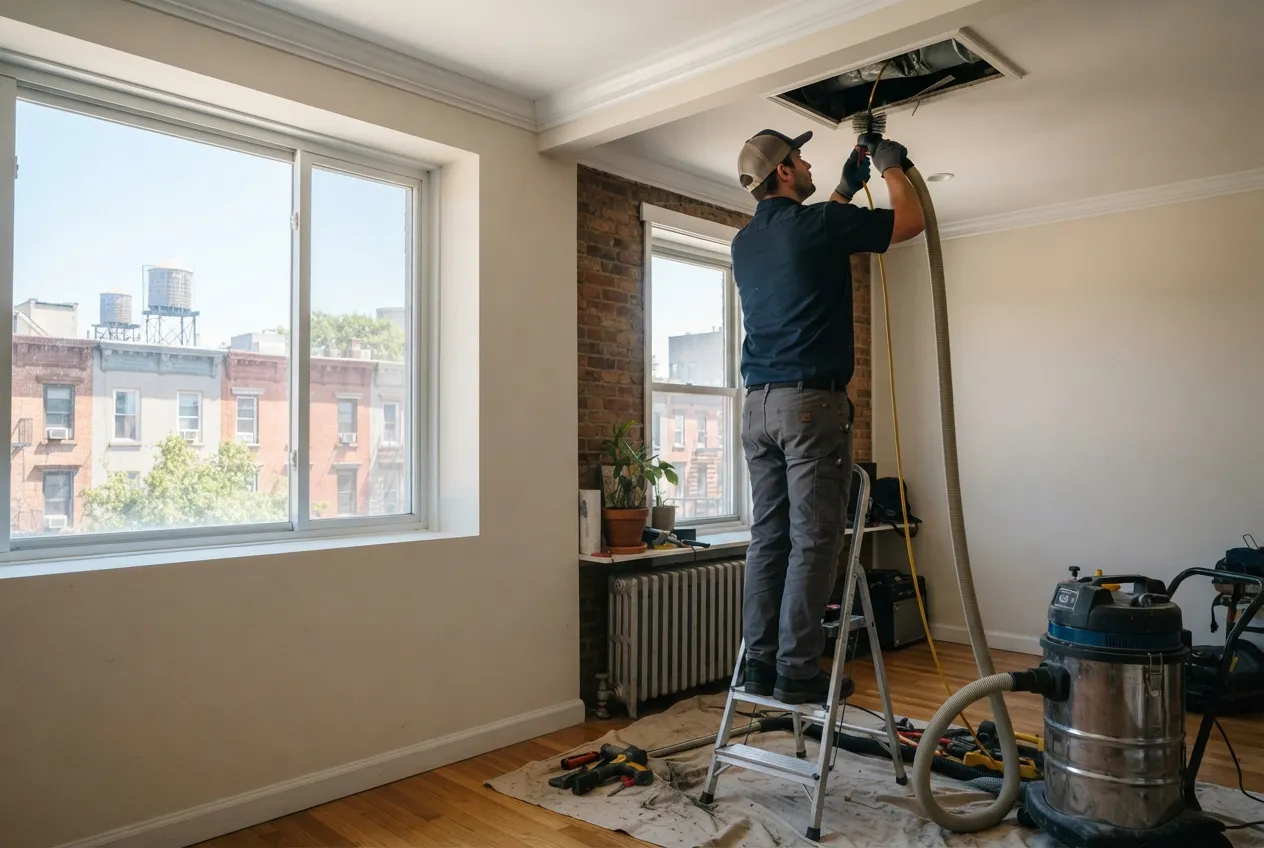
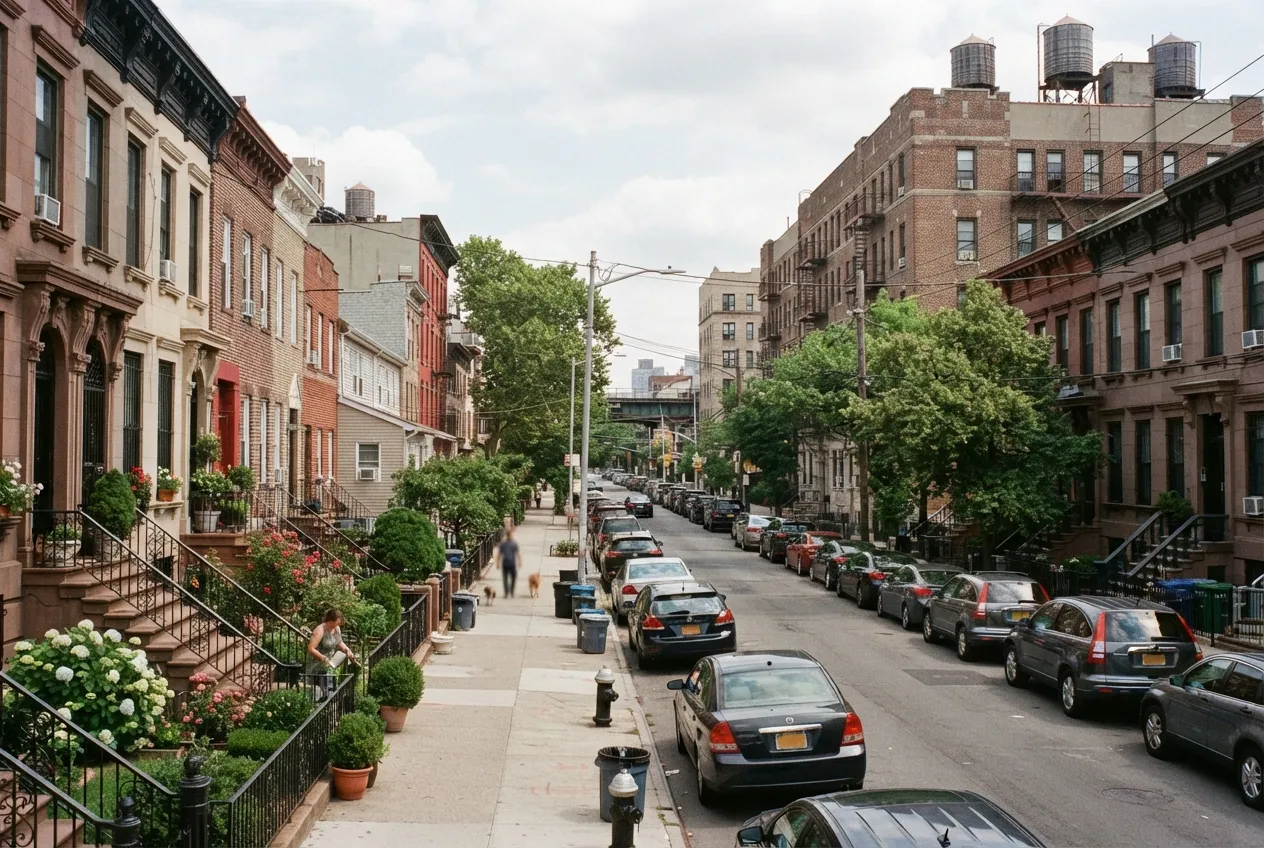
Financial District homes are mostly apartments: high-rise residential towers, converted office buildings and pre-war apartment buildings, each with ventilation and flue systems that are hard to see and easy to forget. NYC FreshAir Solutions cleans, inspects and repairs air ducts, dryer vents, exhaust fans and chimneys throughout ZIP codes 10005, 10006, 10038, 10271, 10280 and 10282. Our Manhattan office is about a mile northeast of the neighborhood, so a downtown visit is a short trip for our certified technicians. Below is what we see most often in Financial District buildings and how we handle it.
How Financial District Buildings Affect Your Air and Vents
Most people here live in apartments, whether in a newer tower, a building converted from offices, or an older pre-war building. Units often share risers, chases and exhaust shafts, and dryers frequently vent through long horizontal runs to reach an outside wall or a building shaft. These layouts work, but they collect lint, dust and grease in places you can't see from inside your unit.
Some older buildings still have working fireplaces, and many rely on central boilers that vent through a masonry chimney. Each setup calls for a different approach, so we start by looking at what you actually have before recommending any work.
New York Seasons and When to Schedule
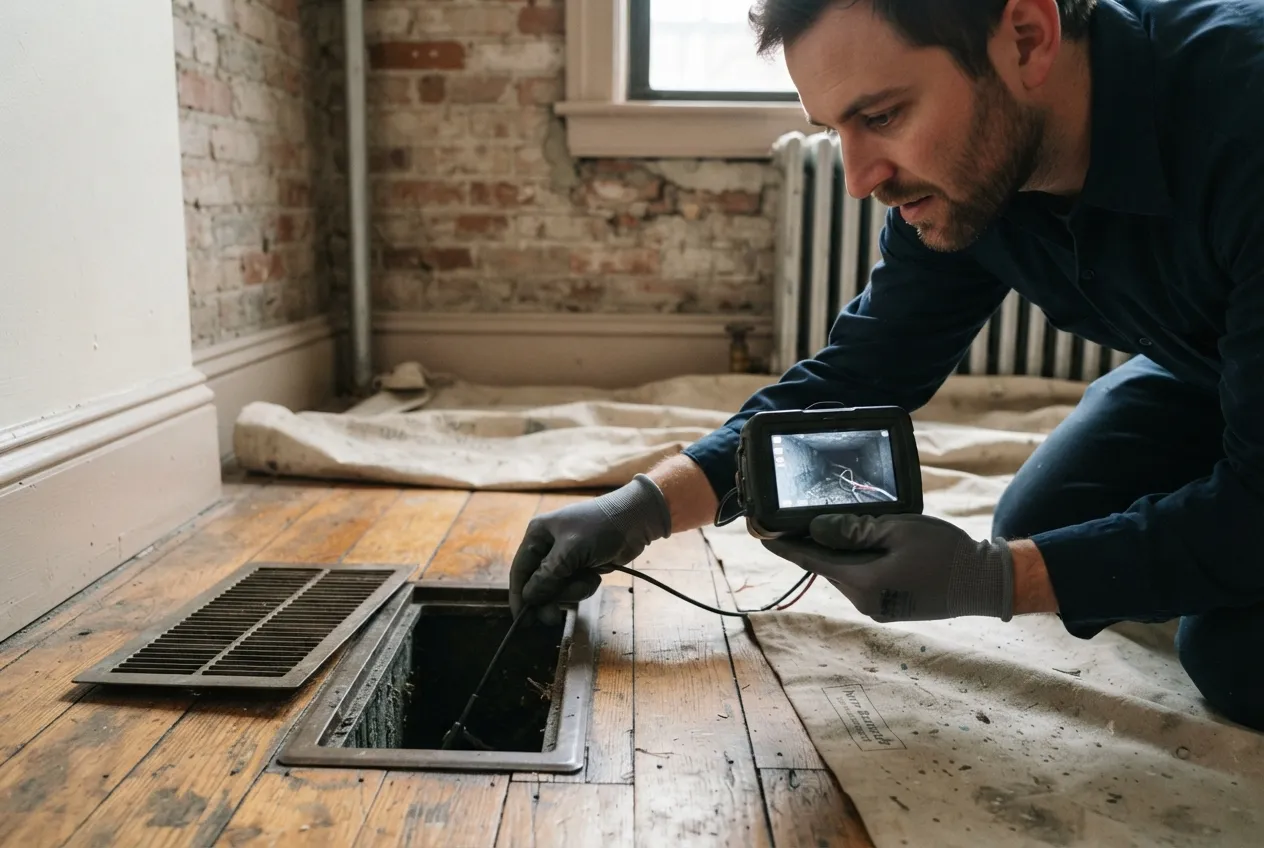
Lower Manhattan swings between hot, humid summers and cold winters. In summer, air conditioning runs for long stretches and moisture can build up around coils and in ductwork. In winter, windows stay shut and the same indoor air recirculates for months.
New York City's heat season runs from October 1 through May 31, when building owners must keep apartments heated to the city's minimum temperatures. That means boilers, and the chimneys that serve them, are working for most of the year. A practical rhythm is to have chimneys inspected and swept before October, and to check ducts and cooling components in spring, before the summer heat arrives.
Services We Offer in the Financial District
We work in individual apartments, entire residential buildings and commercial spaces downtown. Our services include:
- Air Duct Cleaning for supply and return ducts in apartments and buildings
- Dryer Vent Cleaning, including long runs and vents that tie into shafts
- Dryer Vent Repair & Rerouting for crushed, disconnected or overly long ducts
- HVAC System Cleaning for blowers, coils and air handler components
- Duct Sanitizing & Odor Removal when there is a specific problem to address
- Air Duct Repair & Sealing to fix leaks and loose connections
- Exhaust Fan Cleaning for kitchen and bathroom fans
- Chimney Sweep for fireplaces and appliance flues
- Chimney Inspection at the level your situation calls for
- Commercial Duct Cleaning for offices, shops and restaurants
Ready for cleaner ducts?
Dryer Vents and Air Ducts: When Cleaning Makes Sense
According to the U.S. Fire Administration, failure to clean is the leading factor contributing to clothes dryer fires in homes. In apartments with long or winding vent runs, lint builds up faster than many people expect. Warning signs include clothes taking longer to dry, a laundry area that feels hot, or lint collecting around the outside hood. If the duct is crushed or simply too long, rerouting it can help the dryer vent properly.
For air ducts, we follow the U.S. EPA's guidance: cleaning is worth doing when there is substantial visible mold growth, vermin, or excessive dust and debris. The EPA also notes that duct cleaning has not been shown to prevent health problems, so we won't promise that it will. It also advises researching the process before responding to very cheap advertised offers and being careful with chemical treatments. We explain what any sanitizing product is and why we'd use it before we apply anything.
Chimneys, Boilers and Oil-to-Gas Conversions
The NFPA 211 standard calls for chimneys, fireplaces and vents to be inspected once a year. A Level 1 inspection fits when nothing has changed. A Level 2 inspection is used when the system changes, such as a new appliance or a switch of fuel, or when the home is sold. A Level 3 inspection is for cases where a hidden hazard has to be reached by opening part of the chimney or building.
Fuel changes come up often in older Manhattan buildings. When a New York City building converts its boiler from oil to gas, the chimney has to be evaluated as part of the work, and a new liner is often needed because gas exhaust produces acidic condensate that can corrode a masonry flue. We can inspect the chimney and explain what we find in plain terms.
Nearby Neighborhoods We Also Serve
Beyond the Financial District, we regularly work in Tribeca, Civic Center, Chinatown, Two Bridges and SoHo. If you live or manage a building anywhere in Lower Manhattan, reach out and we'll let you know how we can help.
ZIP codes we serve
- 10005
- 10006
- 10038
- 10271
- 10280
- 10282